
Solar in Thailand: Frequently Asked Questions
Straightforward answers about solar systems, battery storage, costs, installation, safety and after-sales support.
Advice From the People Who Install the Systems
SolarThailand.biz is operated by Chaweewan Group. Our in-house team designs, installs and supports residential and commercial solar systems across Isan and Northern Thailand.
General Information
Who is Chaweewan Group?
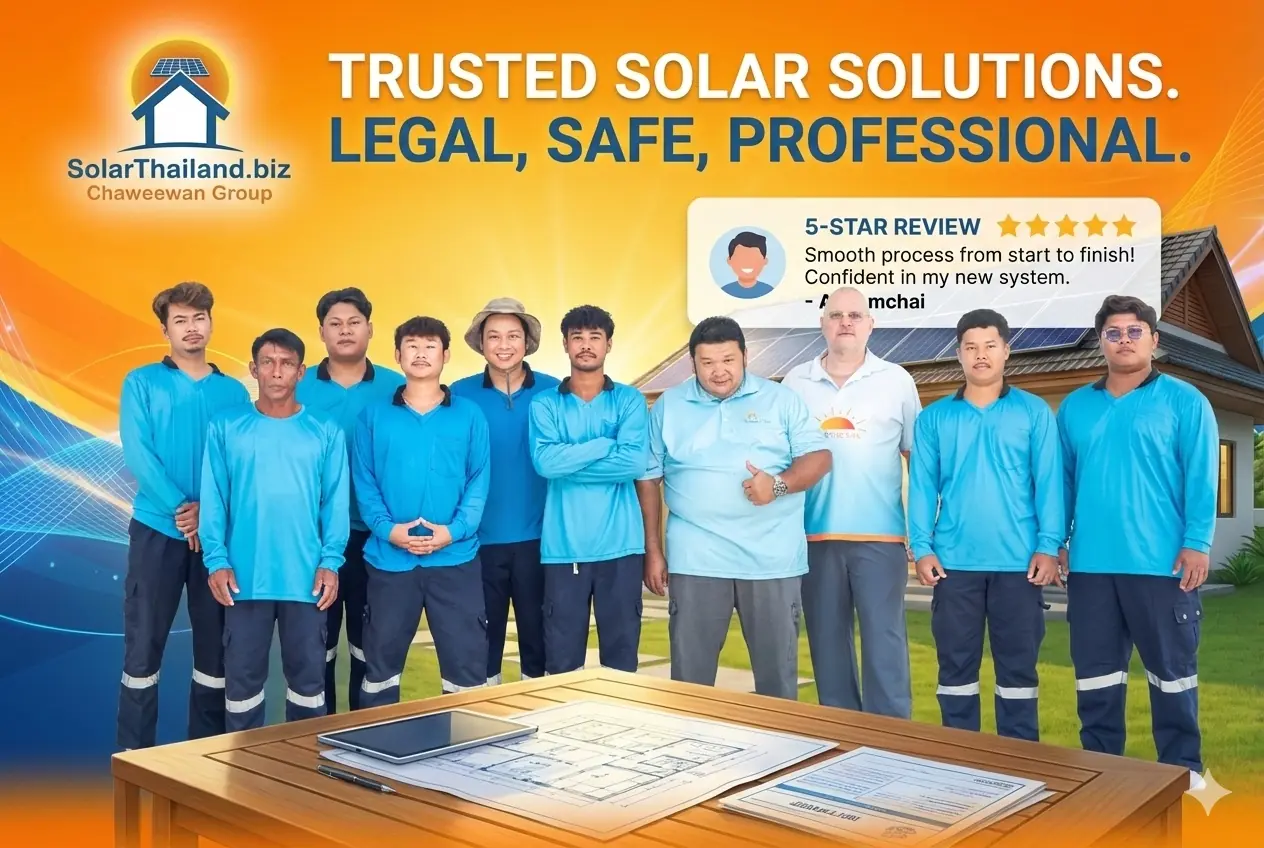
Chaweewan Group is a specialist solar installation company serving homeowners and businesses across Isan and Northern Thailand. Our team includes electrical engineers, electricians, project staff and experienced installers. We focus on safe system design, professional workmanship and dependable long-term support.
Which areas do you serve?
Our administrative headquarters is in Phetchabun, with operations in Khon Kaen and a solar showroom in Ban Chan, Udon Thani.
We undertake suitable projects across many provinces, including Udon Thani, Khon Kaen, Phetchabun, Phitsanulok, Nakhon Sawan, Nakhon Ratchasima, Mukdahan, Buriram, Uttaradit, Chaiyaphum, Sakon Nakhon, Lopburi and surrounding areas.
Contact us to confirm availability for your location.
What languages do you speak?
We provide customer support in Thai and English. Norwegian-language assistance is also available when required.
Can I visit your Udon Thani solar showroom?
Yes. Our Udon Thani showroom contains operating solar, battery and smart energy equipment. Because our staff frequently visit installation sites, please arrange an appointment before arriving.
You can learn more about our Udon Thani solar showroom here .
Solar Systems & Technology
What types of solar systems do you install?
We design and install on-grid, hybrid and off-grid solar systems:
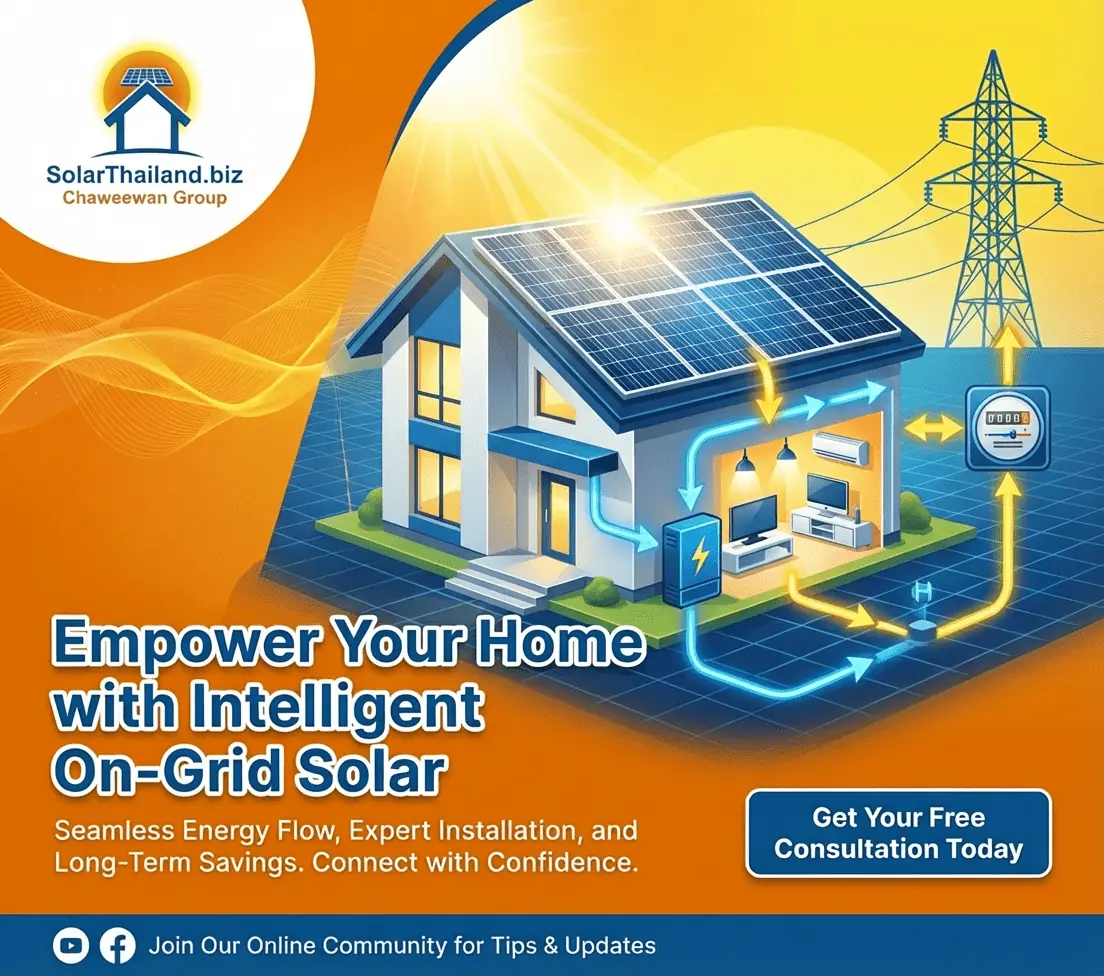
- On-grid: Designed primarily to reduce daytime electricity purchases while remaining connected to the utility grid.
- Hybrid: Combines solar generation with battery storage and configurable backup power.
- Off-grid: Designed for locations without a dependable grid connection and normally requires careful battery and generator planning.
What is the difference between on-grid, hybrid and off-grid solar?
An on-grid system normally shuts down during a grid outage for safety. A correctly configured hybrid system can use batteries to support selected circuits when the grid fails.
An off-grid system operates independently and must be designed to cover the property's expected loads, seasonal solar production and periods of poor weather.
Which solar and battery brands do you work with?
We select equipment according to the project and currently work with established solar and energy-storage solutions including AlphaESS and Sigenergy.
Recommendations may vary according to system size, required functions, availability, warranty and compatibility.
Why do you recommend integrated systems?
Using compatible components from the same product ecosystem can simplify communication, monitoring, commissioning, software updates and warranty support.
The best solution still depends on the property, budget and technical requirements.
Costs, Savings & Return on Investment
How much can I save with solar?
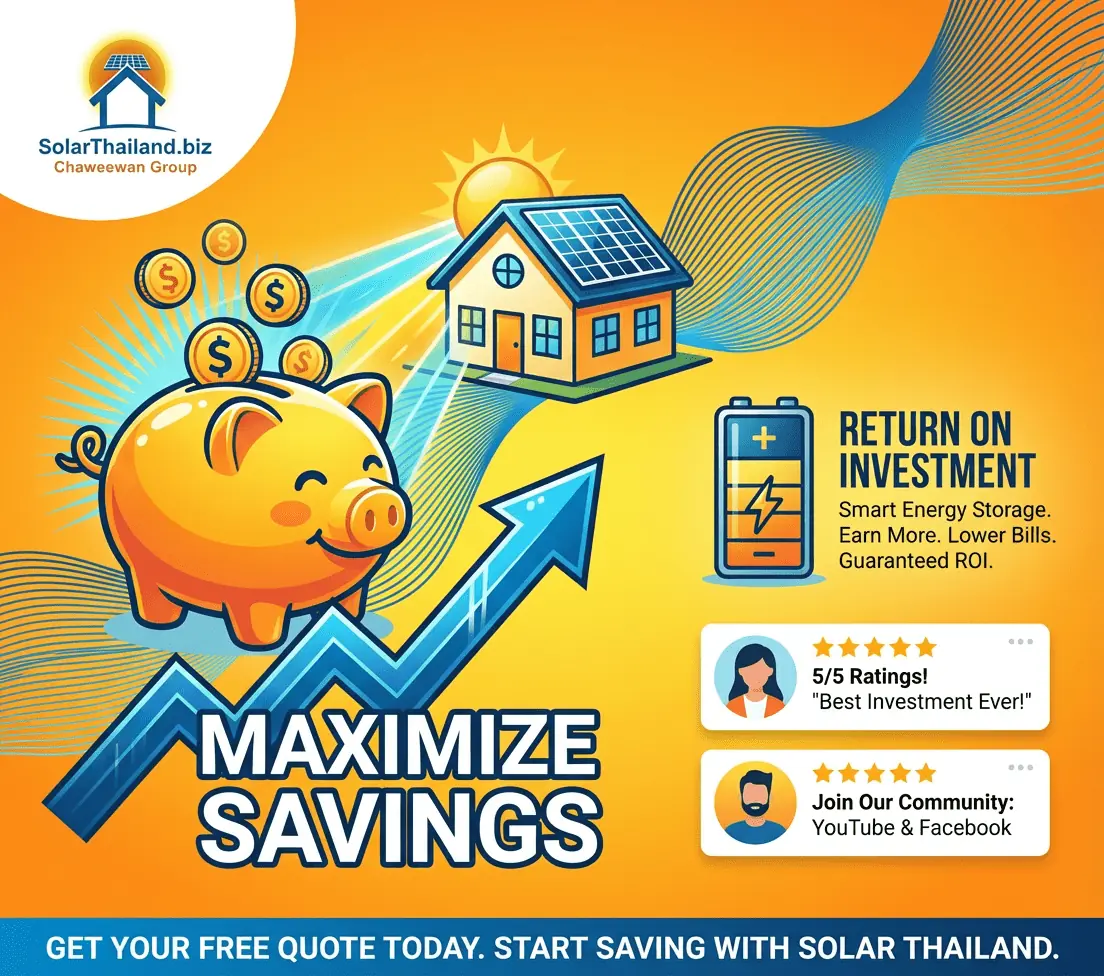
Savings depend on your electricity consumption, the size and orientation of the solar array, shading, tariffs, equipment efficiency and how much solar electricity you use directly.
We analyse your bills and consumption pattern before preparing an estimate.
How long is the typical payback period?
Many well-matched systems may recover their initial cost over several years, but there is no universal payback period.
Systems without batteries can sometimes achieve a faster financial return, while battery systems provide additional benefits such as backup power and greater energy independence.
Any projection should be treated as an estimate rather than a guarantee.
Is a solar system under 5 kW worthwhile?
It can be, especially for a property with modest daytime consumption. However, fixed costs such as electrical protection, transport, design and installation can make the cost per installed kilowatt higher on very small systems.
Correct sizing is more important than simply choosing the largest or cheapest package.
How do you calculate the right system size?
We consider your electricity bills, daytime and evening usage, roof or ground space, shading, air-conditioning, pumps, EV charging, desired backup duration and possible future expansion.
Battery Backup & Power Outages
What happens to solar during a power outage?
A standard on-grid system normally switches off when the grid fails. This protects utility workers and the electrical network.
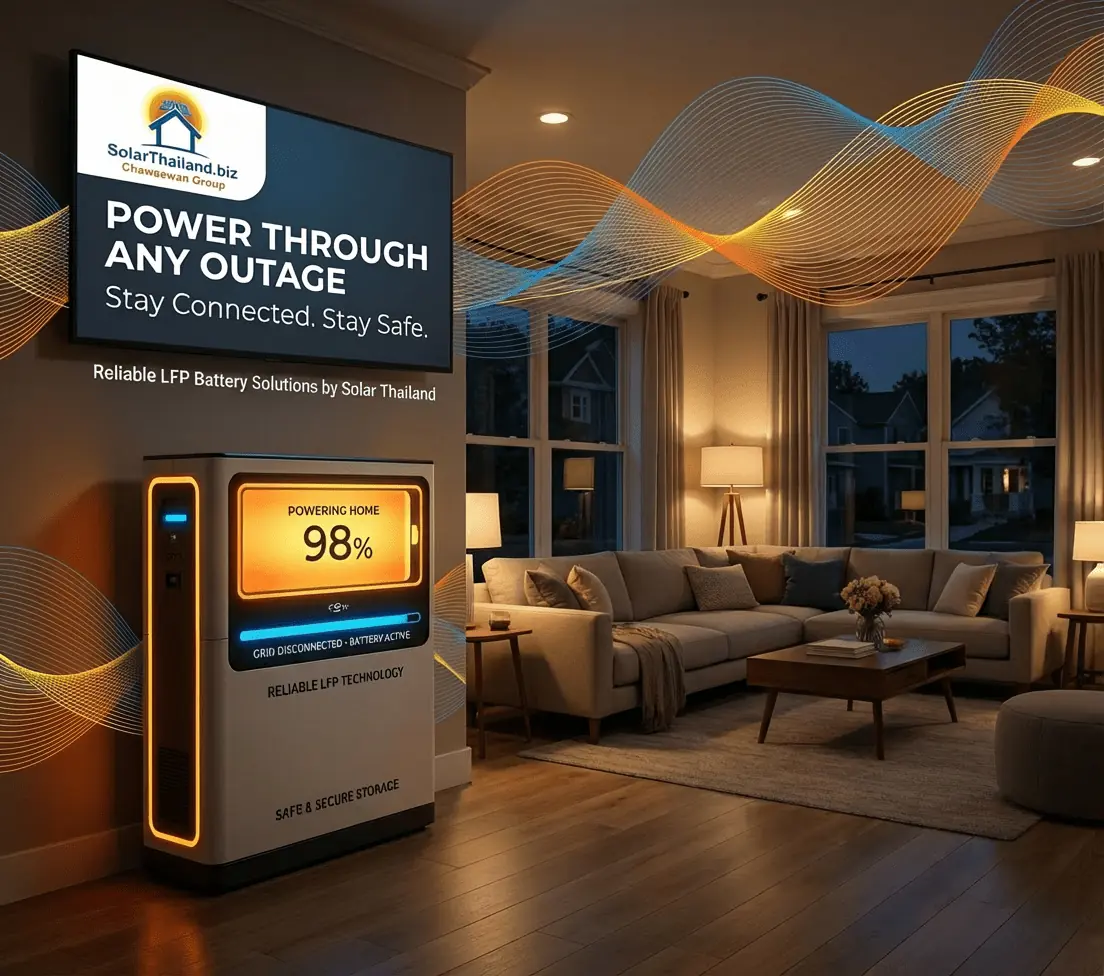
A hybrid or off-grid system with suitable battery storage and backup equipment can continue powering configured circuits within the limits of the inverter and available battery capacity.
How long can a solar battery power my home?
Backup duration depends on usable battery capacity and what is running. Lighting, internet equipment and refrigerators use far less energy than large air conditioners, water heaters or pumps.
We calculate an estimated runtime from your chosen essential loads.
How long do LFP solar batteries last?
Battery life depends on operating temperature, depth of discharge, charging rate, number of cycles, system settings and the manufacturer's design.
We explain the applicable product warranty and expected cycle performance for the equipment proposed for your installation.
Are LFP batteries safe?
Lithium iron phosphate batteries are widely chosen for their strong thermal stability and generally lower thermal-runaway risk compared with several other lithium-ion chemistries.
They must still be correctly installed, protected, ventilated where required and operated according to the manufacturer's instructions.
Can air conditioning run from battery backup?
Yes, if the inverter, battery capacity, wiring and backup circuits are designed for the starting and continuous load.
Large air conditioners can reduce backup time quickly, so we model their expected consumption during system design.
Installation, Safety & Paperwork
How long does a solar installation take?
Installation time depends on system size, roof access, cable routes, battery placement, electrical modifications and weather.
A straightforward residential installation may be completed within a few working days, while larger or more complex projects require additional time.
We provide a project-specific schedule before work begins.
Do you handle the required paperwork?
We assist with the technical documentation and procedures relevant to the system being installed.
Requirements and approval times can differ according to location, system type and the responsible authorities or electricity provider.
How do you protect the electrical system?
Protection is selected during the electrical design and may include appropriate breakers, isolators, surge protection, earthing, cable protection, labelling and safe equipment placement.
The exact solution depends on the property and system configuration.
Do you use subcontractors?
Our core solar work is completed by our own in-house team of engineers, electricians and trained installers.
This gives us better control over workmanship, safety, commissioning and after-sales responsibility.
Can you install solar on every roof?
Not automatically. Roof condition, structure, material, orientation, usable area, shade and safe access must be considered.
Where a roof is unsuitable, a solar carport or ground-mounted system may be a better solution.
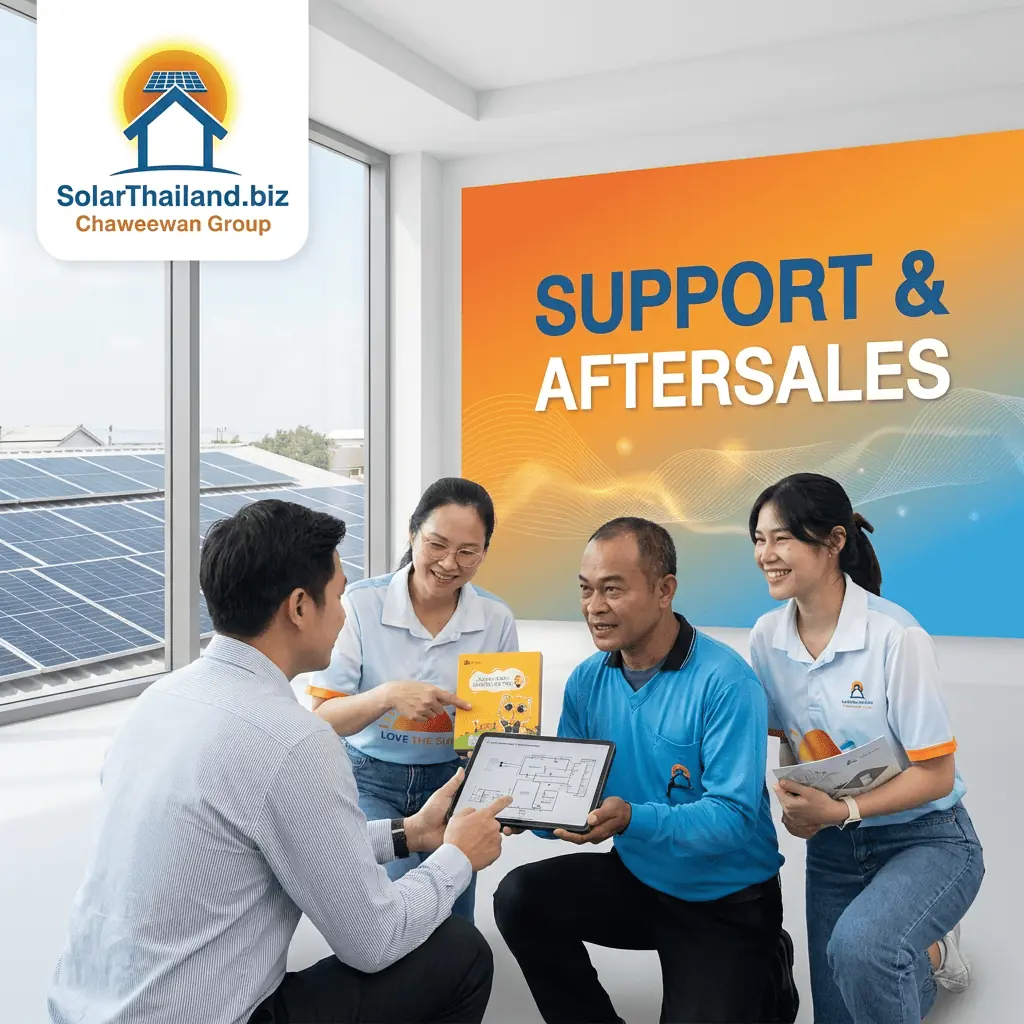
Warranty & After-Sales Support
What warranties are included?
Major components such as solar panels, inverters and batteries are supplied with the relevant manufacturer's warranty. Warranty length and coverage vary by product.
We explain the warranty terms included in your proposal and also stand behind our installation workmanship.
What happens if the system develops a fault?
Contact our support team with a description, photographs or screenshots from the monitoring system.
We will first determine whether the issue relates to settings, communication, the electricity grid or equipment. Where required, we arrange further diagnostics and service.
Can you monitor the system remotely?
Many modern systems include online monitoring for solar production, battery status, consumption and alerts.
Remote access depends on the installed equipment, internet availability, account permissions and customer consent.
How can I reach your support team?
You can contact us by telephone, Line, WhatsApp, Messenger or email. Thai-speaking staff are available, with access to English-speaking support when needed.
How can I request a solar quotation?
Send us a recent electricity bill, your location and some photographs of the property or roof.
Tell us whether your priority is lower electricity bills, backup power, EV charging or an off-grid supply. We can then arrange an initial assessment.
Learn More From Our Solar Community
Watch installation walkthroughs, equipment discussions and practical solar videos, or follow our latest projects on Facebook.
Still Have Questions?
Talk directly with our team about your property, electricity use, battery storage and backup requirements.